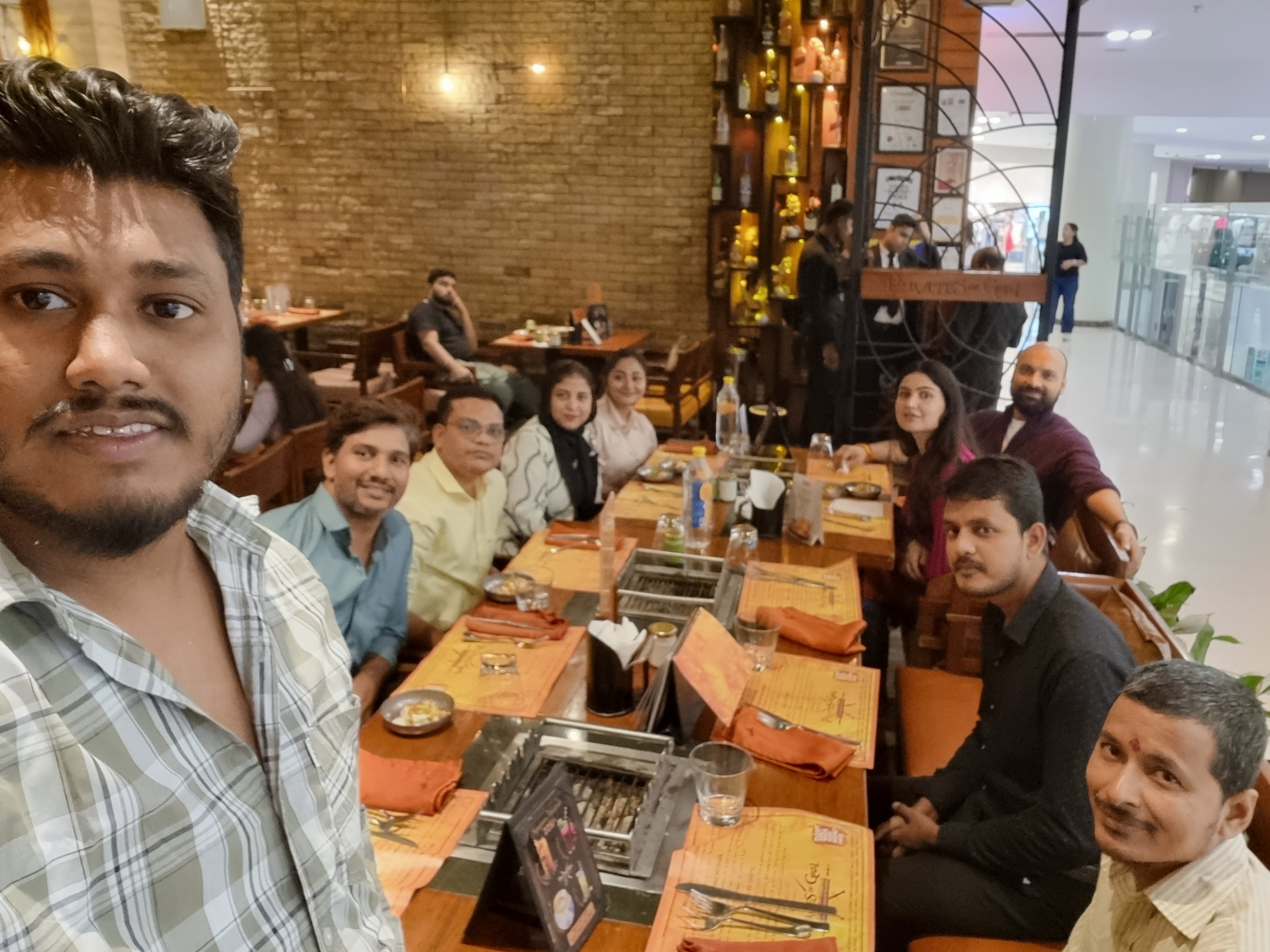
Milleniance started in 2009 with three people and a shared conviction: the work should be good enough to be proud of, and the people doing it should be treated well enough to stay. Seventeen years later, that's still the actual operating premise, not a plaque in the lobby.
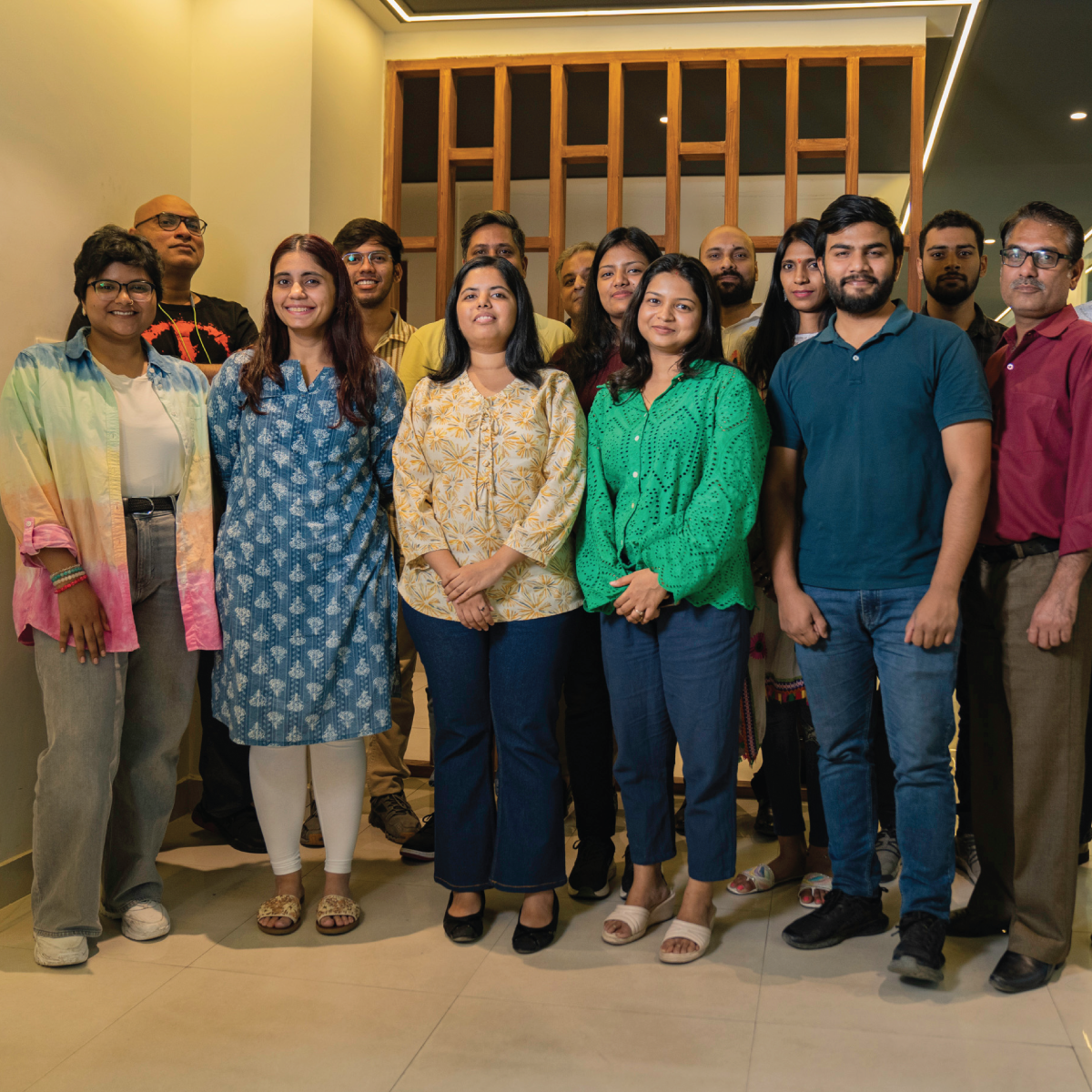
We've deliberately stayed mid-sized rather than chasing headcount for its own sake. A new hire's second-month feature can still get real attention from someone senior. That gets structurally harder past a certain size, so we've been careful about how fast we grow.
None of this means the place is soft. Deadlines are real, client expectations are high, and feedback is direct. What we've tried to build is a place where that intensity comes with genuine support underneath it - not intensity instead of support, which is the tradeoff a lot of agencies quietly make.
Composited from real schedules across engineering, design, growth and client servicing - not a stock-photo fiction.
Flexible start times exist because we've found forcing an exact clock-in time doesn't actually improve output - it just adds friction for people with a longer commute or a school drop-off.
"No internal meetings before 11" started as one team's informal rule and became company policy once enough people noticed how much more they got done with a protected morning block.
New hires often say these sessions feel exposed at first - feedback here is specific, not vague, and comes from whoever's closest to the problem. Most people report it's where they learned the most in their first year.
We track project delivery against timelines, not hours logged past 7pm - a distinction that sounds obvious and is surprisingly rare in this industry.
"I came from a bigger shop where I was one of forty backend engineers. Here I own the integration architecture for two enterprise accounts by myself - terrifying for the first month, and then the best career decision I've made."
"My manager noticed I hadn't touched my learning budget by September and actually followed up - not to police it, just because he meant it when he said we should use it. I've since done two certifications on the company's dime."
"I joined as a fresher on the graduate intake. Eighteen months later I was running QA for a client account by myself, with a senior engineer one Slack message away if I needed them - not looking over my shoulder."
"I moved here from a bigger consultancy and was braced for it to feel like a step down in ambition. It's the opposite - I run marketing strategy for accounts a much bigger agency wouldn't have let me near for another five years."
"Coming back from maternity leave, I was worried my account would've been quietly handed to someone else. It hadn't - my manager had kept me looped in on the big decisions the whole time, exactly as we'd agreed before I left."
"I've worked remote-first here for two years. The quarterly in-person weeks in New Delhi are genuinely the best part - not because remote work is lacking, but because that concentrated time together is just different in a good way."
Compensation is benchmarked against market data every year, with an explicit gender pay-gap review as part of that cycle, not left to individual negotiation outcomes.
Paid parental leave for both parents, with a documented commitment - not just a policy line - that a role and its key relationships stay intact through the leave.
Accommodations for the interview process are available on request without needing to justify them, and our design and engineering teams build accessibility into client work as a default, not an afterthought.
Our annual graduate programme deliberately recruits beyond the usual small set of colleges, on the belief that talent is a lot more evenly distributed than opportunity is.